Avatar Generator Libraries

14 open-source libraries compared — identicons, illustrated characters, cartoon faces, and photo placeholders. Find the right one for your stack.

10 have an npm package 7 have an HTTP API 10 are MIT or CC0 licensed

Quick Comparison

Library License Output npm API
DiceBear MIT SVG, PNG, WebP
Boring Avatars MIT SVG
Multiavatar MIT SVG, PNG
Avataaars MIT SVG, PNG
Bean Heads MIT SVG, PNG
Jdenticon MIT SVG, PNG, Canvas
Nice Avatar MIT SVG, PNG
Minidenticons MIT SVG
Blockies WTFPL SVG, Canvas
UI Avatars Free PNG, SVG
Robohash Free PNG, SVG
Gravatar Free PNG, SVG
Pravatar CC0 PNG
Open Peeps CC0 SVG

All Libraries

DiceBear avatar example

30+ styles — Adventurer, Lorelei, Bottts, Pixel Art, Notionists, Rings, and more

The most comprehensive avatar library. Generates avatars from a seed string using 30+ professionally designed styles. Available as an HTTP API, npm package, CLI, and Figma plugin. Individual styles carry their own licenses (MIT, CC0, CC-BY-4.0, or free commercial use).

SVG PNG WebP npm API deterministic
Boring Avatars avatar example

6 geometric themes — marble, beam, pixel, sunset, ring, bauhaus

Lightweight React component that generates SVG avatars from a name seed using six minimal geometric themes. Zero external API calls, fully client-side, and tiny in bundle size. Ideal when you want personality without visual complexity.

SVG npm deterministic
Multiavatar avatar example

Multicultural character illustrations — 12 billion unique combinations

Generates diverse, multicultural character avatars with 12 billion unique combinations. Available as an HTTP API and npm package for JavaScript, PHP, and Python. Designed with inclusivity in mind — characters represent a broad range of ethnicities.

SVG PNG npm API deterministic
Avataaars avatar example

Cartoon characters with 13 customizable properties — hair, clothes, accessories, skin tone

The original customizable cartoon avatar library. Choose from dozens of options for top type, hair color, facial hair, clothing, eyes, eyebrows, mouth, and accessories. Used by hundreds of thousands of projects since its release.

SVG PNG npm deterministic
Bean Heads avatar example

Stylized cartoon "bean head" characters with expressions, clothing, and accessories

Formerly "Big Heads", now Bean Heads. SVG avatar component with a distinctive exaggerated-head cartoon style. Billions of combinations from hair, eyes, mouth, clothing, hat, and background options. Fully composable as a React component and also available for React Native. Published as @bigheads/core on npm.

SVG PNG npm deterministic
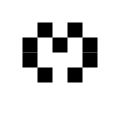
Jdenticon avatar example

Symmetric geometric identicons — hash-based patterns of triangles and squares

Generates GitHub-style geometric identicons as SVG, PNG, or canvas elements. Purely hash-based — no personal data is embedded in the pattern. Supports color themes and size configuration. Works in browser and Node.js.

SVG PNG Canvas npm deterministic
NI

Illustrated faces with per-parameter customization — sex, hair, eyes, nose, mouth, accessories

Clean illustrated avatar React component with fine-grained parameter control. Each facial feature (hair color, eye style, nose, mouth, earring, glasses) can be set independently or randomized from a seed. Export to PNG for non-SVG contexts.

SVG PNG npm deterministic
Minidenticons avatar example

Ultra-minimal colored identicons — 5×5 pixel grid, zero dependencies

The smallest identicon library — zero dependencies, under 1KB minified. Generates colored pixel-grid SVGs from a string. Fully client-side, no network requests, GDPR-friendly. The SVG is returned as a string, not a React component, so it works in any framework.

SVG npm deterministic
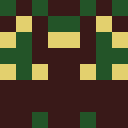
Blockies avatar example

Pixelated color-block identicons — originally designed for Ethereum wallet addresses

The identicon style made famous by Ethereum and MetaMask. Generates blocky square patterns from a hash. WTFPL license (effectively public domain). Several npm packages provide React components around the original algorithm.

SVG Canvas npm deterministic
UI Avatars avatar example

Initials on a colored background — customizable font, size, and background color

HTTP API that generates initials-based avatars. Pass a name and optional color, font size, and background. No signup or API key required. Returns PNG or SVG. Simple, reliable, and widely used as a Gravatar fallback.

PNG SVG API deterministic
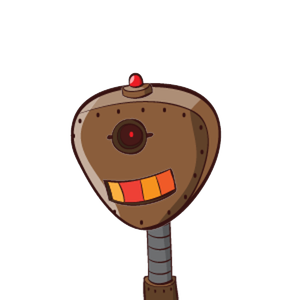
Robohash avatar example

Robots, monsters, or space cats — three distinct image sets generated from any text

HTTP API that turns any text into a unique robot, alien, or cat image. Three image sets, customizable size, and SVG output support. A fun choice for developer tools, test accounts, and any interface that benefits from playful identity.

PNG SVG API deterministic
Gravatar avatar example

User-uploaded photos with fallback to generated identicons or initials

The email-linked global avatar service. Construct a URL from an MD5 or SHA256 hash of the user's email to fetch their Gravatar photo. Falls back to generated identicons, initials, or blank when no photo is set. Version 3 (2025) adds new generated styles.

PNG SVG API
Pravatar avatar example

Realistic photo-style placeholder avatars — CC0 licensed human face photos

HTTP API serving CC0-licensed human face photos as placeholder avatars. No API key required. Use a seed or specific img parameter for consistent images. Not generated — pulls from a curated set of real photos.

PNG API
Open Peeps avatar example

Hand-drawn modular illustration characters by Pablo Stanley — arms, bodies, faces as building blocks

A hand-drawn illustration library by Pablo Stanley. Characters are built from modular components (head, face, hair, accessories, clothing, body, arms) that can be combined to create unique people. Available standalone or through DiceBear. CC0 — fully free for any use.

SVG npm API deterministic

Frequently Asked Questions

An avatar generator library creates unique profile images programmatically from a seed value — typically a username, email address, or user ID. The seed deterministically produces the same image each time, so every user always sees a consistent avatar without storing image files. Libraries vary in visual style from geometric identicons to illustrated characters to cartoon faces.

A deterministic avatar is one where the same input always produces the same output. Pass "[email protected]" and you will always get the same avatar image, no matter when or where you generate it. This is essential for user-facing avatars — you need the avatar to stay consistent across page loads, devices, and server restarts without storing the image.

For a general default avatar (before users upload a photo), DiceBear is the most versatile — it has an HTTP API so you can use it without installing any package, and 30+ styles to match your design language. For a lightweight option with no external requests, Boring Avatars (boring-avatars npm package) is a compact React component with six clean geometric themes. For fully customizable cartoon avatars, Avataaars or Nice Avatar give users control over their appearance.

An identicon is a geometric pattern generated from a hash — like the pixel grids GitHub used before profile photos. Examples include Jdenticon, Blockies, and Minidenticons. They are minimal and convey uniqueness without depicting a person. An illustrated avatar shows a character — a cartoon face, full person, or stylized figure. Examples include DiceBear styles, Avataaars, and Big Heads. Illustrated avatars feel more personal; identicons feel more technical.

Libraries with npm packages (DiceBear, Boring Avatars, Jdenticon, Multiavatar, Nice Avatar, Minidenticons, Blockies, Big Heads, Avataaars) run entirely in the browser or Node.js with no external requests. HTTP API-only services (UI Avatars, Robohash, Pravatar, Gravatar) require a network call. For GDPR compliance or offline apps, prefer the npm-based options.

MIT-licensed libraries (DiceBear core, Boring Avatars, Jdenticon, Multiavatar, Nice Avatar, Minidenticons, Avataaars, Big Heads) and CC0 libraries (Open Peeps, CoreUI) require only a license file inclusion and allow any commercial use. Blockies uses WTFPL, which is effectively public domain. UI Avatars and Robohash are free HTTP services with no stated redistribution obligations. Avoid OpenMoji if you need to distribute modified versions without copyleft.

DiceBear core (@dicebear/core) is MIT. The visual styles are separate packages and each has its own license. CC0 styles (Identicon, Initials, Lorelei, Notionists, Open Peeps, Pixel Art, Rings, Shapes, Thumbs) are public domain — no attribution needed. CC-BY-4.0 styles (Adventurer, Big Ears, Big Smile, Croodles, Dylan, Micah, Miniavs, Personas, ToonHead) require visible credit to the original designer. Avataaars and Bottts styles allow free commercial use. Check the DiceBear docs for each style's specific attribution requirements.

For high traffic, prefer a library with an npm package so avatars are generated client-side or at build time — no API rate limits, no latency, no external dependency. DiceBear, Boring Avatars, and Jdenticon are the most battle-tested options for production scale. If you use DiceBear's HTTP API, it is well-maintained, but self-hosting the npm package eliminates the external dependency entirely.

Hash the email with SHA256 (or MD5 for Gravatar compatibility), then pass that hash as the seed to your chosen library. In JavaScript: const seed = await crypto.subtle.digest("SHA-256", new TextEncoder().encode(email.toLowerCase().trim())), convert to hex, then pass to DiceBear or similar. This way the avatar is tied to the email without exposing the email address in the URL.

Avatar images are decorative when shown next to a username. Set alt="" on img tags and aria-hidden="true" on inline SVGs in those cases. If the avatar is the only indicator of user identity (no name visible), add a descriptive alt or aria-label. Generated SVG avatars from these libraries have no inherent accessibility issues — the responsibility is in how your UI uses them.